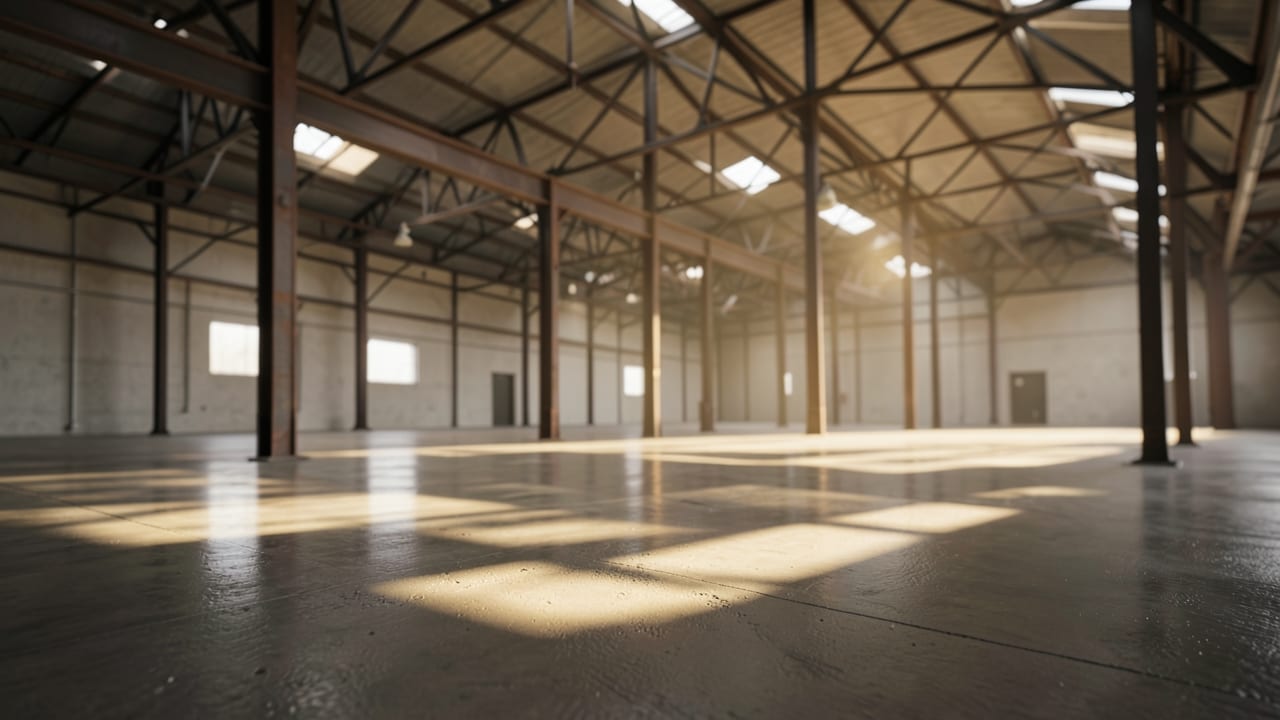
Warehouse Mold Cleanup
Professional removal of mold from warehouse spaces to restore safe, clean conditions.
When mold spreads beyond a small patch in your Sunset Beach home, proper cleanup requires containment, removal of affected materials, and fixing the moisture source.
Warehouse-style mold cleanup in residential spaces follows strict protocols to prevent spores from spreading during removal, using HEPA filtration, structural drying, and third-party testing to confirm the work is complete.
We also handle Metal Ductwork Mold Remediation and Brick Masonry Mold Treatment for Sunset Beach properties.
This process is typically needed when mold covers more than a few square feet, keeps returning after cleaning, or hides in walls or ductwork.
When to call for mold cleanup
Mold in your Sunset Beach home may start as a small patch, but certain signs mean it’s time for professional cleanup.
If the growth covers more than a few square feet, keeps coming back after cleaning, or you notice a musty smell with no visible source, these are clues that the problem is deeper than surface cleaning.
Hidden mold often thrives in walls, under flooring, or inside ductwork, where it spreads undetected until it becomes widespread.
Moisture sources—like leaks, condensation, or poor drainage—must also be addressed. Without fixing the root cause, mold will regrow in the same spot. Rooms that stay damp, such as windowless bathrooms or basements, may need ongoing airflow or dehumidification even after remediation to prevent recurrence.
Signs You Need Professional Mold Cleanup
- Mold covers more than a small, isolated patch (typically over 25 square feet).
- The same spot keeps growing mold after cleaning, suggesting a hidden moisture source.
- You smell a musty odor with no visible mold—hidden growth is likely in walls, floors, or ductwork.
- Mold appears in multiple rooms or keeps spreading despite cleaning efforts.
What affects pricing and timing?
Pricing for residential mold cleanup in Sunset Beach depends on the size of the affected area, the type of materials involved, and whether hidden growth is found during removal. Containment, HEPA filtration, and clearance testing are standard steps that influence cost.
If mold is discovered behind walls or under flooring, additional demolition and repairs may be needed, extending both time and expense.
The presence of porous materials—like drywall, insulation, or carpet padding—that must be removed rather than cleaned can also raise costs. Non-porous surfaces, such as tile or metal framing, are treated instead of discarded, which may lower the total price.
Complex jobs, like those involving ductwork or shared walls in multi-unit homes, require extra coordination and documentation.
What happens after cleanup?
After mold removal, the focus shifts to preventing regrowth. Structural drying with industrial dehumidifiers ensures framing and subfloors return to normal moisture levels before the space is sealed. A third-party clearance test—using air or surface sampling—confirms spore counts are back to normal before containment is removed.
Monitoring humidity in the treated area for the first year helps catch early signs of recurrence. Rooms prone to dampness, like basements or closets, may need a small fan or dehumidifier to maintain airflow.
Fixing outdoor issues—such as grading or downspout placement—can also prevent moisture from seeping back into the home.
Use a hygrometer to track humidity in the treated room for the first year. Keep it below 50% relative humidity to discourage mold regrowth.
How warehouse-style mold cleanup works in your home
This process follows strict containment and removal protocols to stop spores from spreading during cleanup.
- 1Containment Setup
Plastic sheeting and negative-air machines seal off the work area, trapping spores inside the containment zone instead of letting them drift through the home.
- 2Material Removal or Treatment
Porous materials like drywall or insulation—where mold grows deep—are cut out and bagged, while non-porous surfaces like tile or metal framing are scrubbed and treated.
- 3HEPA Filtration and Cleanup
HEPA-filtered air scrubbers run continuously during removal, and surfaces are vacuumed with HEPA equipment to capture spores instead of recirculating them.
- 4Structural Drying
Industrial dehumidifiers and air movers dry framing and subfloors to normal moisture levels before the space is closed back up.
- 5Clearance Testing
An independent lab tests air or surfaces to confirm spore counts are within normal ranges before containment is removed.
Frequently asked questions
Can I clean up mold myself if it’s only in a small area?
Small patches—under 25 square feet—can often be cleaned with household products like vinegar or bleach, but only if the mold isn’t on porous materials like drywall. If it keeps coming back or spreads, professional cleanup is needed to address hidden growth and moisture sources.
How do I know if mold is hidden behind walls or under flooring?
Signs include a musty smell with no visible mold, mold appearing in multiple rooms, or growth that keeps returning after cleaning. If you suspect hidden mold, a professional inspection with moisture meters or infrared cameras can locate it before it spreads.
Will my insurance cover mold cleanup if it’s from a leak?
Many homeowners’ policies cover sudden leaks, but gradual moisture issues—like poor ventilation—may not. Check your policy or contact your insurer before starting cleanup, as some require professional assessment to file a claim.
How long does it take to complete mold remediation in a home?
The timeline depends on the size of the affected area and whether hidden mold is found. Containment, removal, drying, and testing can take anywhere from a few days to over a week for larger or complex jobs.
Where Sunset Beach sits, and what the Census lists nearby
Sunset Beach sits in North Carolina, and the closest places listed in the U.S. Census Gazetteer are Ocean Isle Beach (2.5 miles east), Calabash (3 miles west), Carolina Shores (4 miles west), Little River, SC (7.8 miles west).
Within 25 miles of Sunset Beach the same source lists 14 distinct incorporated places and census-designated places.
Those figures matter for warehouse mold cleanup because they are straight-line distances between Census coordinate points: road mileage between Sunset Beach and Ocean Isle Beach runs longer than the 2.5 miles shown, which is why quotes for the same job differ between towns that look close together on a map.
Source: U.S. Census Bureau Gazetteer.
See Half Hell, NC for more, or find out about every option available in Sunset Beach at a glance for our complete lineup.
Ready to get started?
Talk to a local mold remediation pro in Sunset Beach — get a written quote.
Other Mold Remediation Services in Sunset Beach
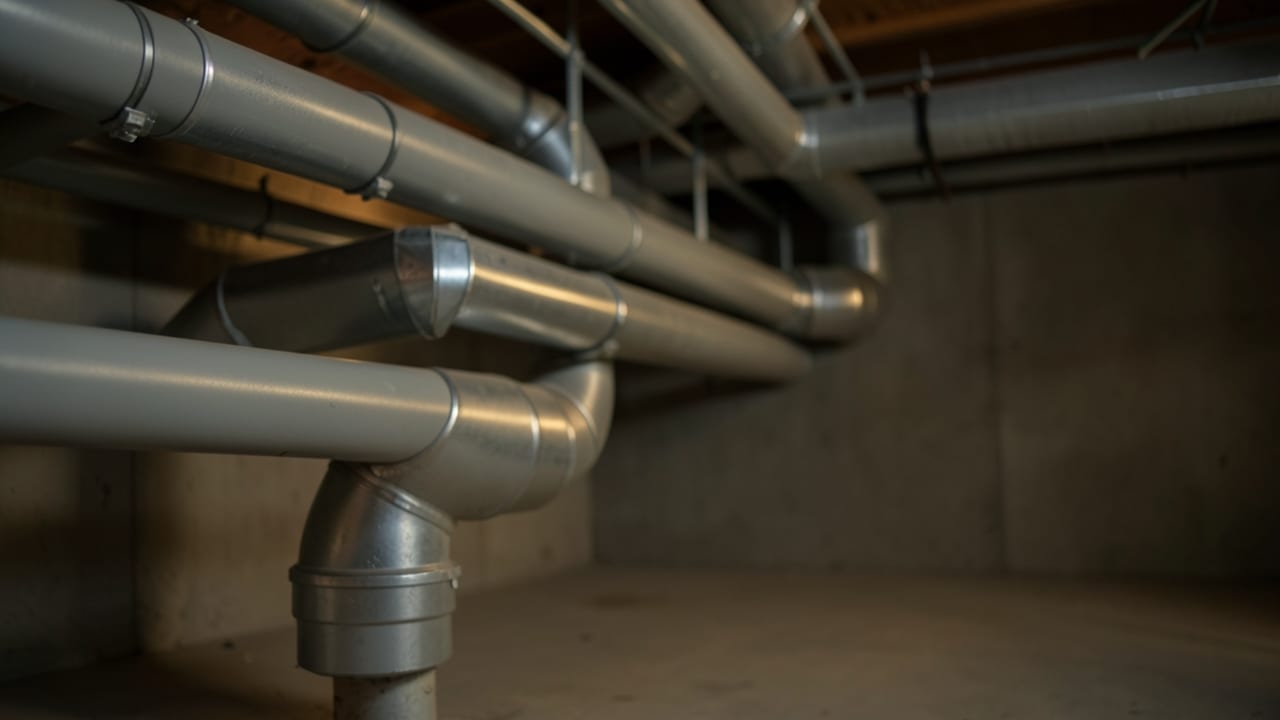
Metal Ductwork Mold Remediation in Sunset Beach, NC
Professional removal of mold from metal ductwork to restore indoor air quality.
Learn More
Brick Masonry Mold Treatment in Sunset Beach, NC
Professional mold treatment and removal from brick masonry to restore structural integrity and indoor air quality.
Learn More
Stairwell Mold Remediation in Sunset Beach, NC
Professional mold removal and prevention in stairwells to restore safe, clean spaces.
Learn More
Sunroom Mold Remediation in Sunset Beach, NC
Professional removal and treatment of mold in sunrooms to restore a safe, clean space.
Learn More
Pantry Mold Treatment in Sunset Beach, NC
Professional assessment and removal of mold in pantry areas to restore a safe, clean space.
Learn More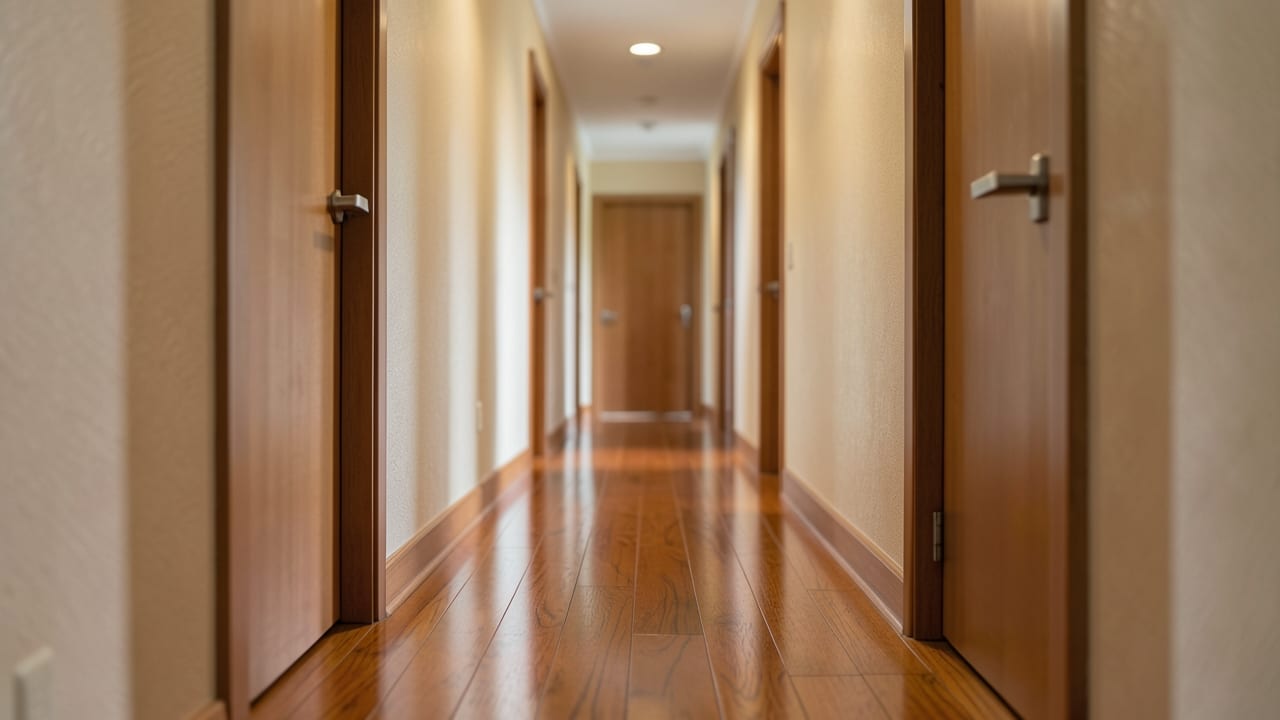
Hallway Mold Remediation in Sunset Beach, NC
Professional removal and treatment of mold growth in residential hallways.
Learn MoreCommon Questions About Mold Remediation in Sunset Beach
Everything you need to know about mold remediation services in Sunset Beach
How much does Warehouse Mold Cleanup typically cost in Sunset Beach, NC?
Why does Sunset Beach, NC's humidity make mold a bigger risk than in drier regions?
How does mold remediation actually prevent the problem from coming back?
Can mold growing inside HVAC ductwork spread to the rest of a home?
Does mold mean the same thing as mildew?
Does homeowners insurance typically cover mold remediation?
Need Mold Remediation in Sunset Beach?
Connect with local providers in Sunset Beach for a detailed quote.
⏰ We answer your call • Serving all of Sunset Beach and surrounding areas