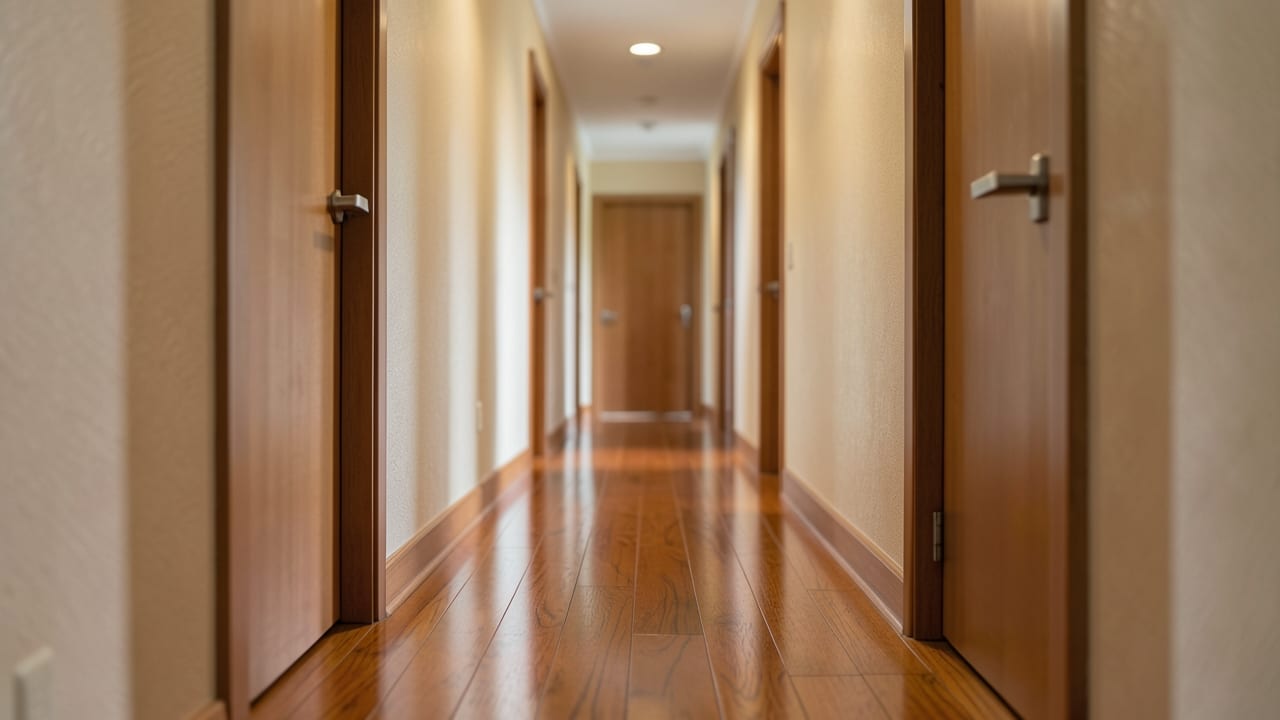
Hallway Mold Remediation
Professional removal and treatment of mold growth in residential hallways.
Hallway mold remediation in Sunset Beach, NC, focuses on safely removing mold growth from walls, ceilings, and flooring in home corridors. This process includes containment, removal of contaminated materials, HEPA filtration, structural drying, and clearance testing to ensure spores are contained and moisture sources are addressed to prevent regrowth.
When hallway mold needs professional attention
Mold in hallways often signals deeper issues, especially when it covers more than a small patch or keeps returning after cleaning. In North Carolina, mold growth exceeding 25 contiguous square feet typically requires professional remediation, as it often indicates hidden moisture problems or extensive contamination.
We also handle Post-Remediation Sealing and Mold Inspection for Sunset Beach properties.
Visible signs like discoloration, musty odors, or recurring growth—even after cleaning—are clear indicators that the problem may be beyond surface-level solutions.
Musty smells without visible mold can mean hidden growth in walls, under flooring, or inside ductwork. If the smell worsens when the HVAC system runs, spores may be spreading through the entire house.
Poor airflow in hallways, closets, or windowless rooms also creates conditions for mold to thrive, making remediation more complex without addressing ventilation or humidity control.
Signs Your Hallway Mold Needs Professional Help
- Mold covers more than 25 contiguous square feet (NC’s unofficial threshold for DIY limits).
- Visible mold keeps returning after cleaning, even with repeated attempts.
- A musty smell persists with no visible mold, especially when HVAC runs.
- Hallway materials (drywall, carpet padding) show deep staining or warping, not just surface growth.
- You notice condensation or water stains near the affected hallway, suggesting an active moisture source.
What affects pricing and timing for hallway mold work
Pricing for hallway mold remediation varies based on the size of the affected area, the type of mold (e.g., black mold adds 15–25% to costs), and the materials involved. Drywall and carpet padding often need replacement, while tile or hard surfaces may only require cleaning and treatment.
Containment, HEPA filtration, and clearance testing are typically priced separately, so a low initial quote may hide additional costs if these steps aren’t included.
Timing depends on the extent of contamination and whether hidden moisture sources require repairs. Structural drying with dehumidifiers can take days, and clearance testing must confirm spore levels are back to normal before the job is considered complete.
Rush jobs may incur extra fees, especially if containment or testing needs to be adjusted for scheduling.
Why containment and testing matter
Containment prevents spores from spreading to unaffected areas of your home during remediation. Plastic sheeting and negative-air machines seal the hallway, ensuring disturbed spores stay within the work zone instead of drifting through HVAC systems or open doors.
Skipping containment risks turning a small job into a full-house cleanup, as spores can linger in ductwork or settle in other rooms.
Clearance testing by an independent lab verifies that spore counts return to normal after remediation. Without this step, there’s no way to confirm whether the mold was fully removed or if hidden growth remains.
Some remediation methods skip testing, leaving homeowners unsure if the problem is truly resolved—or if it will return.
A torn plastic barrier, an open door, or improper negative-air setup lets spores escape containment. This can spread mold to other hallways, bedrooms, or even basements, turning a contained job into a much larger—and more expensive—project.
How hallway mold remediation works
This process ensures mold is removed safely and moisture sources are addressed to prevent regrowth.
- 1Containment Setup
Plastic sheeting seals off the hallway, and negative-air machines create a vacuum that pulls spores into HEPA-filtered equipment. This keeps spores from spreading to other parts of the home while work is done.
- 2Material Removal or Cleaning
Porous materials like drywall or carpet padding—absorbed with mold—are cut out and bagged. Non-porous surfaces (tile, framing) are scrubbed with antimicrobial treatments instead of being discarded.
- 3HEPA Filtration and Drying
HEPA air scrubbers run continuously to capture airborne spores, and industrial dehumidifiers dry framing and subfloors to prevent future growth. Standard shop vacuums or non-HEPA filters won’t stop spores from recirculating.
- 4Moisture Source Fix
Leaks, condensation, or grading issues feeding moisture to the hallway are repaired. Without fixing the source, mold will likely return within months, even after remediation.
- 5Clearance Testing
An independent lab tests air or surfaces for remaining spores. Only when results confirm normal levels is containment removed, and the hallway considered finished.
Frequently asked questions
My hallway mold keeps coming back after I clean it. What does that mean?
Recurring mold almost always means the moisture source—like a leak, condensation, or poor ventilation—wasn’t fixed. Surface cleaning removes visible growth, but without addressing the dampness, mold will regrow. A professional inspection can pinpoint hidden issues like plumbing leaks or high humidity.
Do I need to leave the house during hallway mold remediation?
You don’t have to leave, but the work area is sealed off with containment. Spores are captured by HEPA equipment, but some homeowners prefer to stay in unaffected rooms until testing confirms the hallway is clear. Children, pets, or those with respiratory issues may want to avoid the area during active work.
How long does it take to remediate a hallway, and when can I move back in?
Containment, removal, and drying typically take 2–5 days, depending on the size and severity. Clearance testing adds another 1–3 days. You can use other parts of the home during this time, but the hallway itself isn’t considered safe until testing confirms spore levels are normal.
Will my insurance cover hallway mold remediation?
Coverage depends on your policy and whether the mold stems from a covered event, like a burst pipe. Some insurers require proof of a sudden moisture issue (not gradual humidity problems). Review your policy or contact your agent to confirm before starting work.
Where Sunset Beach sits, and what the Census lists nearby
Sunset Beach sits in North Carolina, and the closest places listed in the U.S. Census Gazetteer are Ocean Isle Beach (2.5 miles east), Calabash (3 miles west), Carolina Shores (4 miles west), Little River, SC (7.8 miles west).
Within 25 miles of Sunset Beach the same source lists 14 distinct incorporated places and census-designated places.
Those figures matter for hallway mold remediation because they are straight-line distances between Census coordinate points: road mileage between Sunset Beach and Ocean Isle Beach runs longer than the 2.5 miles shown, which is why quotes for the same job differ between towns that look close together on a map.
Source: U.S. Census Bureau Gazetteer.
See Atlantic Beach, SC for more, or explore everything on offer in Sunset Beach in detail for our complete lineup.
Ready to get started?
Talk to a local mold remediation pro in Sunset Beach — get a written quote.
Other Mold Remediation Services in Sunset Beach
Post-Remediation Sealing in Sunset Beach, NC
Applying protective sealants to surfaces after mold remediation to prevent future growth.
Learn More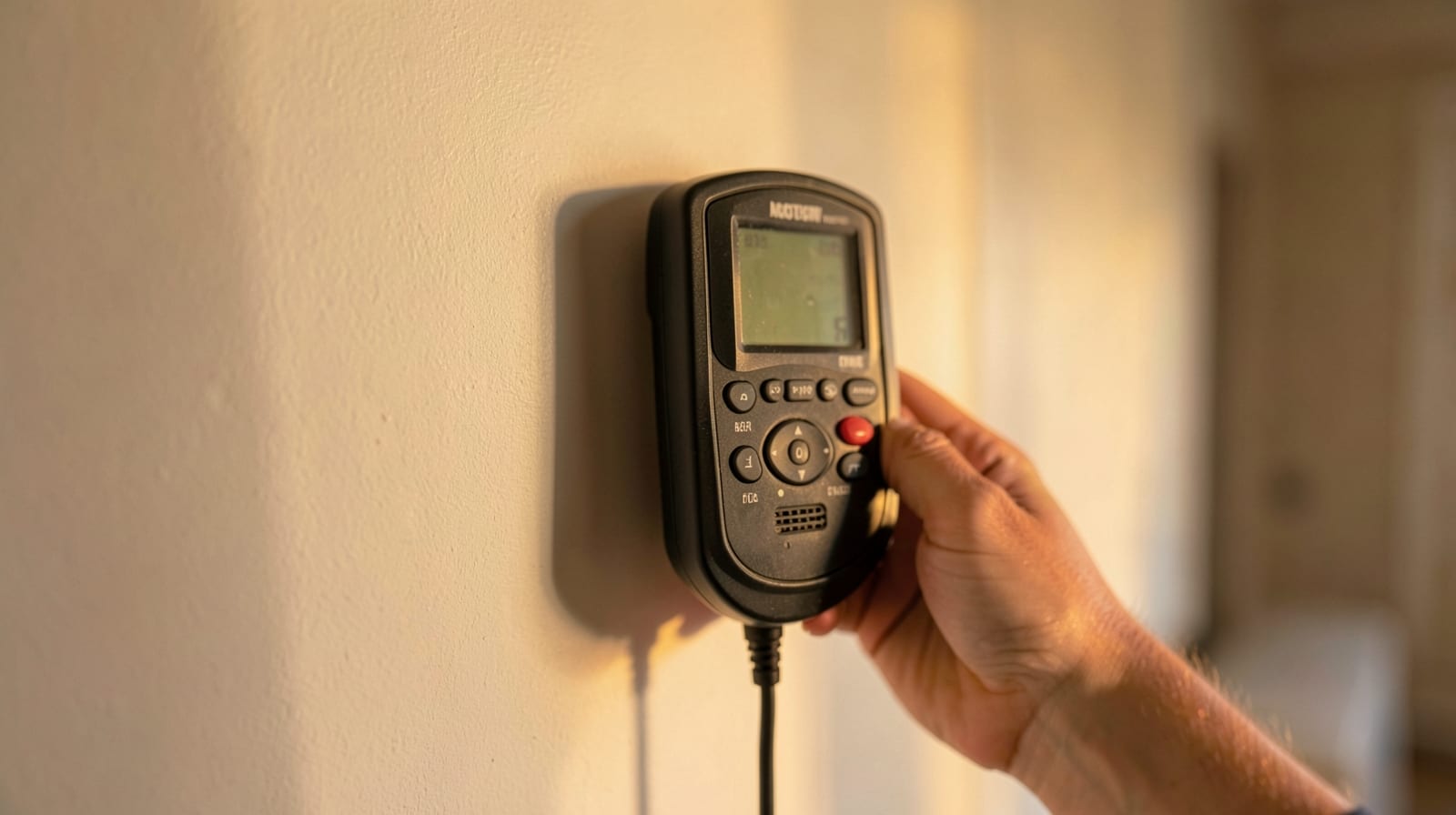
Mold Inspection in Sunset Beach, NC
Mold inspection in Sunset Beach, NC — a visual and moisture-meter assessment that finds the source of growth, not just the visible spot on the wall.
Learn More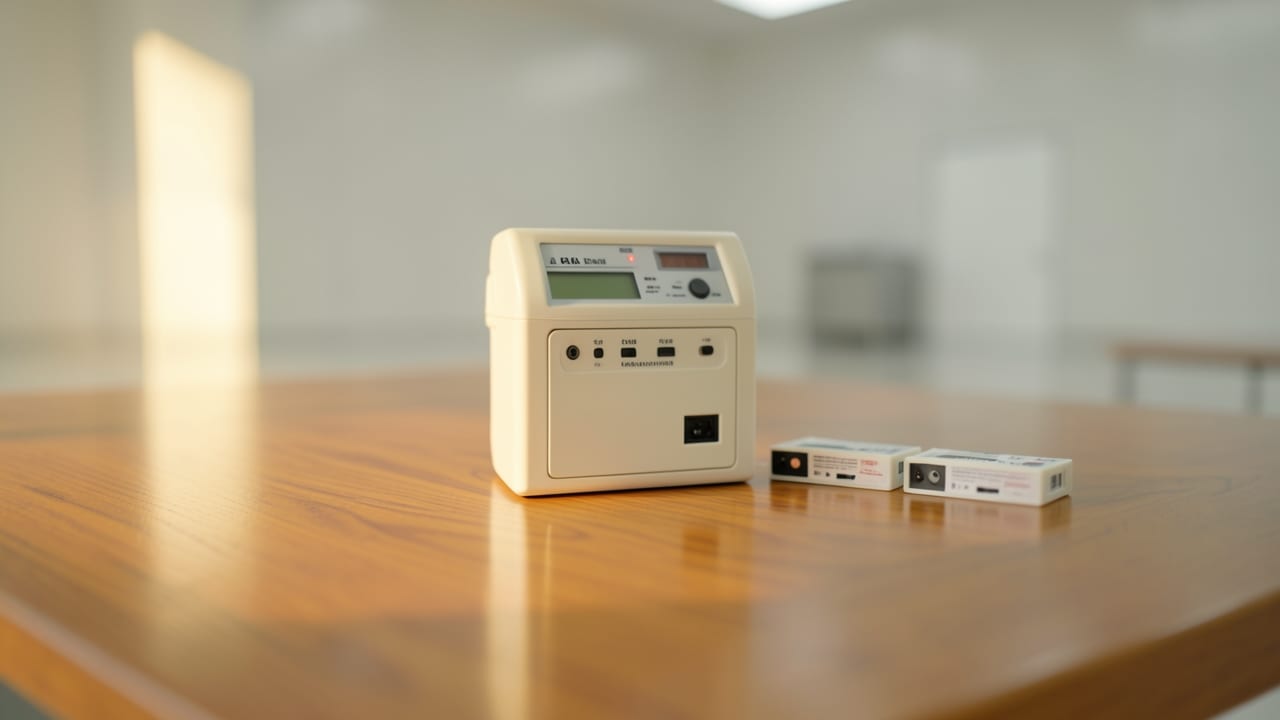
Mold Testing & Air Quality Testing in Sunset Beach, NC
Mold and indoor air quality testing in Sunset Beach, NC — lab-analyzed air and surface samples confirm what's actually growing and whether it's airborne.
Learn More
Mold Removal & Remediation in Sunset Beach, NC
Mold removal and remediation in Sunset Beach, NC — containment, HEPA filtration, and removal of affected material following industry (IICRC S520) protocol.
Learn More
Water Damage Restoration in Sunset Beach, NC
Water damage restoration in Sunset Beach, NC — extraction and structural drying to stop mold growth before it starts, following a leak, storm, or flood.
Learn More
Crawl Space & Basement Mold Remediation in Sunset Beach, NC
Crawl space and basement mold remediation in Sunset Beach, NC addresses the two areas of a property most prone to trapped, unnoticed moisture.
Learn MoreCommon Questions About Mold Remediation in Sunset Beach
Everything you need to know about mold remediation services in Sunset Beach
How much does Hallway Mold Remediation typically cost in Sunset Beach, NC?
Why does Sunset Beach, NC's humidity make mold a bigger risk than in drier regions?
What's the actual difference between mold removal and mold remediation?
Is a final clearance test part of a typical mold remediation job?
How does mold remediation actually prevent the problem from coming back?
Can mold growing inside HVAC ductwork spread to the rest of a home?
Need Mold Remediation in Sunset Beach?
Connect with local providers in Sunset Beach for a detailed quote.
⏰ We answer your call • Serving all of Sunset Beach and surrounding areas